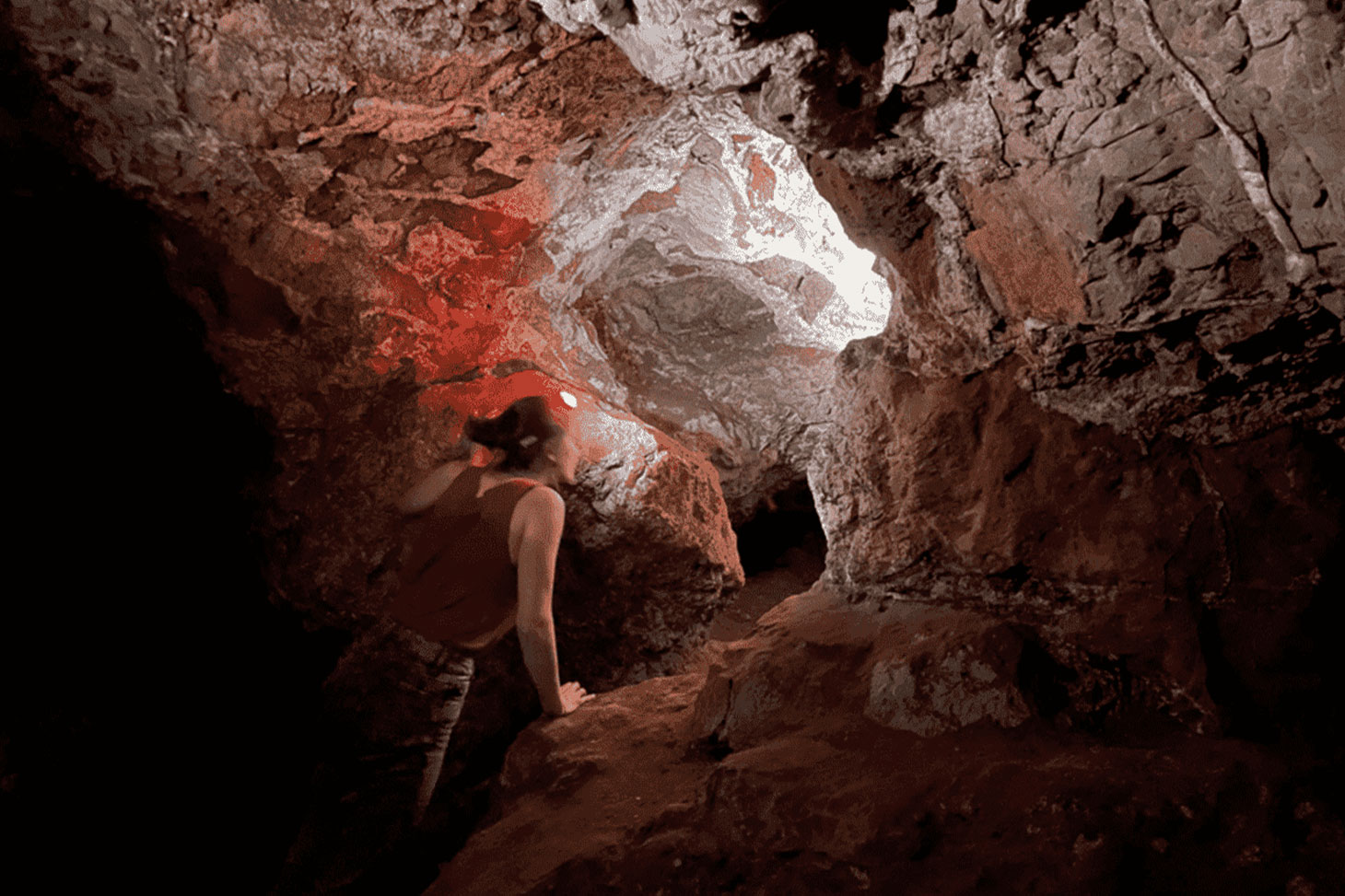
Interdisciplinarity, socio-ecosystems, global change, humanities and social sciences, natural sciences, climate science
The TERRA program aims to train a new generation of professionals and scientists equipped with the expert knowledge needed to address these challenges, through an interdisciplinary approach.
In light of the global challenges—ecological, economic, and social—posed by the ecological and solidarity-based transition, it is important to define sustainable pathways for socio-ecosystems by drawing on a variety of disciplines: engineering, ecology, water sciences, climate sciences, earth sciences, history, political science, urban planning, and geography.
Several tools and concepts can help us achieve this: less expensive observation tools (smaller sensors, drones, nanosatellites, etc.); better characterization of biodiversity using DNA analysis; advances in modeling, particularly climate models; greater availability of physical data (e.g., Copernicus services); and an analysis of the issues based on knowledge from the past, regional context, and analysis of public policies.
The Terra program aims to train a new generation of professionals and scientists equipped with the expert knowledge needed to address these challenges through an interdisciplinary approach. We emphasize the need to train, in particular, students from intertropical regions, which are likely to be especially affected by global changes. Each master’s program contributes solid disciplinary knowledge to the program, supplemented by interdisciplinary modules. Students will thus gain valuable skills that bridge the social sciences and the geosciences.
How to Apply
Courses are taught in French or English, depending on the specific master’s program. The courses in the thematic program are taught in English.
To apply for this program, you must first be admitted to the first year of a master’s program in one of the following fields:
List of educational institutions participating in the TERRA program
Master's Degree
Journey
Year
Component
Master's in Earth and Planetary Sciences and the Environment
A 3-day journey along the Rhône River and through the Massif Central mountains to explore the environmental impact of human activities (energy production, raw material extraction, urban development).
M1: Growth and Planetary Limits (3 ECTS):
The objective of this module is to introduce students to the energy and environmental challenges posed by the modern pursuit of economic growth and to map out the potential of the ecological transition. This series of courses is structured around three main themes: an introduction to environmental discourses on growth and its limits; a closer look at the interplay between climate, energy, and raw materials; and a “map” of opportunities for low-carbon economies.
M2: Environmental Observatory (3 ECTS):
A two-year research-based program in which students will participate in research activities related to environmental monitoring.
M2: Summer School: Mountains in a Changing World (3 ECTS):
This innovative program takes an interdisciplinary approach to the complex issue of how climate change in mountain regions affects people and nature. Combining methods and knowledge from the natural sciences, humanities, and social sciences, this program welcomes students from all disciplines who are seeking innovative and interdisciplinary approaches to complex issues such as:
Understand why mountains are defined as complex systems.
Understand why mountains are vulnerable to change—Identify the changes that threaten this environment.
Describe the potential effects of climate change on mountains.
Provide key recommendations for remediation.
Provide key pathways for the mountains in the face of change.
Threats to and Vulnerabilities of Hydroelectric Power Plants.
Participating doctoral programs
Doctoral School of Human, Political, and Territorial Sciences
Doctoral School of Earth, Environmental, and Planetary Sciences
Share the linkCopyCopiedClose the modal windowShare the URL of this pageI recommend this page:Available at this address:The page will then be accessible from your "My Favorites" menu.Stop the videoPlay the videoMutePlay audioChat: Have a question?Robo Fabrica ChatbotMatomo Traffic StatisticsX (formerly Twitter)